
The issue of manufacturers misleading diabetics has become increasingly widespread as companies try to capture the health-conscious market with labels that seem reassuring but hide important details. Many people with diabetes rely on precise nutritional information to make safe choices, and when labels are unclear or intentionally misleading, it can lead to serious health consequences. What appears to be a “safe” or “low-carb” option may actually contain ingredients that cause rapid blood sugar spikes. Because diabetics often plan their meals around exact carbohydrate counts, accuracy is not optional—it’s essential for daily health management.

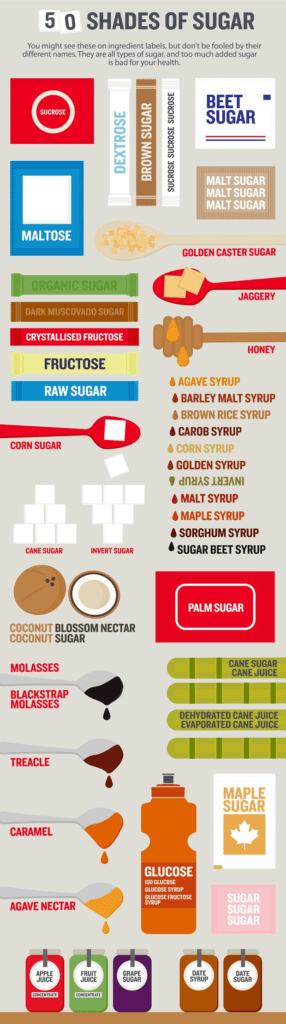
One of the most common ways consumers are misled is through the use of hidden sugars. Instead of simply writing “sugar,” companies use terms such as maltodextrin, brown rice syrup, dextrose, evaporated cane juice, maltitol, or sorbitol. Some of these ingredients, especially maltodextrin, raise blood glucose faster than regular sugar. The everyday shopper may not recognize these ingredients as problematic, allowing manufacturers to give their products a healthier appearance without changing their actual metabolic impact.
Another source of confusion comes from the widespread use of “net carbs.” Many packages highlight only the so-called “net” amount instead of the total carbohydrates listed on the nutrition label. A snack that advertises “2g net carbs” may actually contain 15g or more of total carbs once fiber and sugar alcohols are included. Because not all sugar alcohols behave the same in the body, the net carb calculation can be extremely misleading. Maltitol, a commonly used sweetener in “keto” or “diabetic-friendly” snacks, raises blood sugar significantly but is often subtracted out as if it has no effect at all.
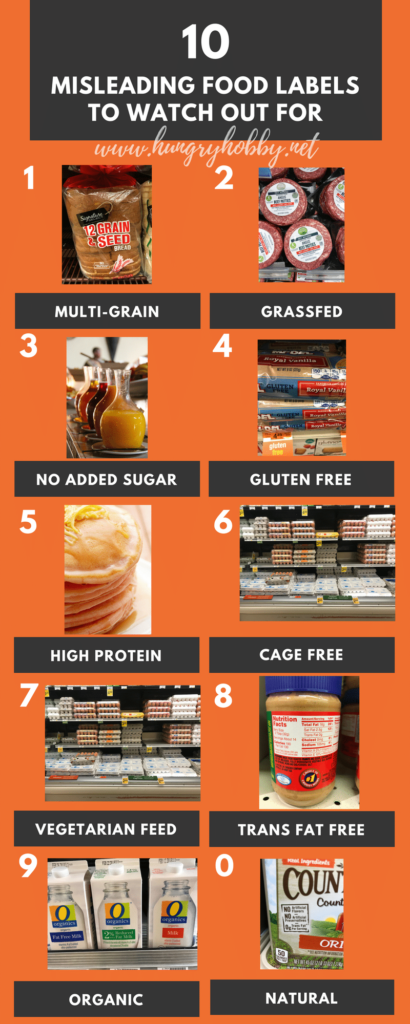
Serving size manipulation is another tactic. A bag of chips or cookies may show “5 grams of carbs per serving,” but the bag actually contains three or four servings. Many consumers, assuming the entire package is a single portion, unknowingly triple or quadruple their expected carbohydrate intake. Advertising phrases such as “diabetic-friendly,” “low glycemic,” or “keto-approved” are not regulated terms, allowing companies to place them prominently on packaging without guaranteeing that the product truly meets diabetic nutritional needs.
There are also well-documented, publicly reported examples of misleading practices in the food industry. Atkins Nutritionals faced lawsuits over the way it marketed “net carbs,” with plaintiffs arguing that the products could still raise blood sugar due to ingredients like glycerin and certain sugar alcohols. Although Atkins did not admit wrongdoing, the lawsuits raised awareness about how confusing net carb labeling can be. KIND Bars received an FDA warning in 2016 when claims on their packaging did not match regulatory definitions of “healthy,” and they later faced criticism for labeling practices involving sugars derived from processed ingredients. Additionally, independent testers have revealed that several “keto” snack brands reported dramatically lower carb counts than what laboratory testing found—especially when maltitol or fast-digesting starches were included.
Understanding how these tactics work makes it easier for consumers to protect themselves. Many sugar alcohols—maltitol, sorbitol, and glycerin among them—still raise blood sugar, though to varying degrees. Erythritol is one of the few that has almost no glycemic impact, yet it is often grouped with others that behave completely differently. This confusion benefits manufacturers because shoppers may assume that all sugar alcohols are harmless.
Consumers can also look for common red flags on labels. Maltodextrin is one of the first ingredients to identify, as its glycemic index is often higher than pure glucose. A product claiming “no added sugar” may still contain naturally derived sweeteners that raise blood sugar. If the total carbohydrates dramatically exceed what the advertised net carbs suggest, the difference is usually explained by sugar alcohols or fibers that may or may not be metabolically neutral.
Food labeling regulations play a major role in why these issues persist. The FDA requires accuracy in nutrition labels but allows front-of-package phrases like “keto,” “low glycemic,” and “diabetic-friendly” with far less oversight. Companies are also permitted to calculate net carbs using methods that aren’t standardized, giving them significant flexibility in how they present carbohydrate information. This combination of loose language and selective disclosure allows manufacturers misleading diabetics to continue shaping consumer perception without technically breaking labeling laws.
The good news is that diabetics and caregivers can take steps to navigate the confusion. Reading the full ingredient list is often more reliable than trusting front-label claims. Comparing similar products can help reveal discrepancies—two items marketed as low-carb might differ drastically in their total carbohydrate content. Several nutrition-tracking apps allow users to scan barcodes and view data contributed by independent testers, which can offer more reassurance when evaluating controversial products.
Some brands have gained positive attention for transparent labeling and third-party testing, offering alternatives for those who want more certainty about their food choices. While the marketplace still contains many misleading claims, increasing consumer awareness is encouraging more companies to adopt honest labeling practices.
As awareness grows, there is momentum toward clearer, more standardized labeling for carbohydrate content, especially for consumers with medical needs. Technology is also playing a role, with emerging tools that can independently test ingredients, verify nutrition values, or highlight products with questionable claims. The more informed consumers become, the harder it will be for manufacturers misleading diabetics to rely on vague or deceptive marketing.
Here are some common questions people ask about this issue:
Are companies allowed to label foods as “diabetic-friendly”? Yes. The term is not regulated, so it can appear on packaging even when the product contains ingredients that raise blood sugar.
Why are net carbs controversial? Because they subtract ingredients that can still cause glucose spikes, leading consumers to underestimate carbohydrate impact.
Is maltitol safe for diabetics? While not harmful in small amounts, it does raise blood sugar and should not be treated as carb-free.
Are misleading labels common enough to lead to legal action? Yes, manufacturers have faced lawsuits for unclear or deceptive nutrition claims.
Which ingredients should be watched most closely? Maltodextrin, maltitol, various syrups, and processed sweeteners.
Where can consumers find reliable information? Organizations like the American Diabetes Association (https://diabetes.org/) and independent testing groups offer helpful guidance.
Manufacturers misleading diabetics create unnecessary challenges for people who need accurate nutritional information to stay healthy. By understanding common labeling tricks, learning to recognize hidden sugars, and questioning overly bold marketing claims, consumers can take control of their food choices. Better transparency is slowly improving, but informed shopping remains the most powerful tool diabetics have for protecting their health.